Couples Therapy and Marriage Counseling: What to Expect
Sometimes love needs a little guidance.
Let’s start by saying the quiet part out loud: Most couples wait too long before getting therapy.
They wait until the silence at the dinner table has become its own language. Until the same argument has played out so many times, both partners could recite each other’s lines. Until someone is sleeping on the couch, or worse — sleeping next to someone they feel completely alone with.
Couples therapy has a PR problem, and it’s costing people their relationships. The moment two people finally sit across from a therapist together, one of them almost always says some version of “we probably should have come sooner.” Almost always.
So if something brought you here today — curiosity, concern, or the quiet feeling that things could be better — that’s already a good sign.
What’s the Difference Between Couples Therapy and Marriage Counseling?
Honestly? In everyday life, not much. The terms get swapped constantly, and most therapists aren’t keeping score.
If there’s a technical distinction, it’s this: marriage counseling tends to be shorter-term and focused on a specific issue — maybe navigating finances, adjusting after a baby, or rebuilding after a rough patch. Couples therapy goes a little deeper, looking at the emotional patterns and relational dynamics that shape how two people actually connect (or disconnect).
In practice, most good therapists blend both approaches depending on what a couple needs in the room on any given week. The label matters far less than what’s actually happening in the sessions.
And who is this for, exactly?
Well, not just couples in crisis — though that’s when most people finally make the call. Couples therapy can be genuinely useful for partners preparing for marriage, processing infidelity, adjusting to an empty nest, navigating a coming-out, grieving together, or simply feeling like they’ve drifted and can’t quite find their way back.
What Actually Happens in Couples Therapy?
The first session is often the scariest — and the least eventful, in the best possible way.
Most therapists use the early sessions to listen more than anything else. They’ll want to understand both partners as individuals, get a sense of the relationship’s history, and figure out what’s actually going on beneath the presenting issue.
(Hint: the thing couples argue about is rarely the thing the argument is actually about.)
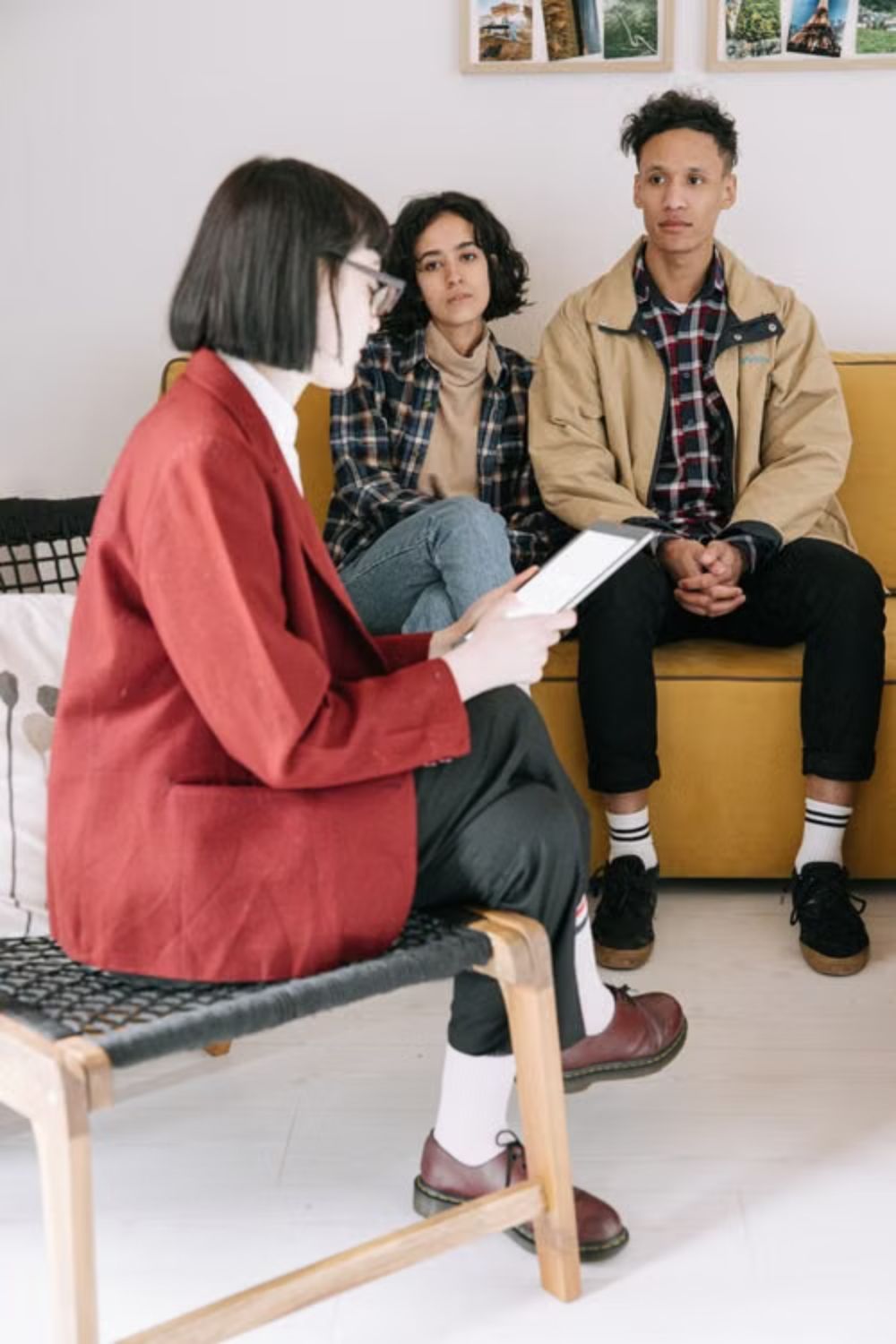
Sessions typically run between 50 and 90 minutes. A good therapist isn’t a referee — they’re not there to decide who’s right. What they’re doing is something more subtle: creating a space where both people can actually hear each other, maybe for the first time in a while.
Some sessions feel like breakthroughs. Others feel hard and heavy. Both mean the work is happening.
As for how long it takes — there’s no clean answer. Some couples do meaningful work in 8 to 12 sessions and feel genuinely transformed. Others go for a year or more, especially when the roots run deep: trauma, betrayal, years of accumulated hurt. Progress isn’t linear. A couple can have three powerful sessions and then hit a wall. That’s not a sign that therapy isn’t working. That’s just what real emotional work looks like.
The Different Types of Couples Therapy
There are several well-established approaches, and the differences between them actually matter.
The Gottman Method
This is built on decades of research into what makes relationships work — and what kills them. It’s practical, structured, and gives couples real tools to use between sessions. Think of it as relationship skill-building, backed by science.
Emotionally Focused Therapy (EFT)
EFT operates on a different premise: that most conflict in relationships is really attachment anxiety wearing a costume. One partner criticizes, the other shuts down. One chases, the other disappears. EFT helps couples see those cycles for what they are and interrupt them — rebuilding emotional safety in the process. It’s particularly powerful for couples who feel emotionally distant or stuck in the same loop.
Imago Relationship Therapy
This one goes even further back, exploring how childhood experiences and early attachment wounds show up in adult relationships. It’s the approach for couples willing to ask not just “what are we doing to each other?” but “why does this keep happening?” It can be genuinely revelatory.
Cognitive Behavioral Couples Therapy (CBCT)
This works with the thoughts and beliefs driving conflict — the assumptions, the negative interpretations, the mental shortcuts that quietly poison interactions. It’s structured and goal-oriented, great for couples who want practical strategies alongside the emotional exploration.
Sex therapy
This therapy belongs in this conversation without any apology or awkwardness. Intimacy issues are among the most common reasons couples seek help, and among the least talked about. A certified sex therapist provides a clinical, judgment-free space to address desire discrepancies, the aftermath of trauma, or the slow fade of physical connection that happens in long-term relationships. It is nothing like what pop culture suggests. It’s just honest, necessary work.
Online Therapy
Then there’s online therapy, which has quietly become a real, research-supported option. Platforms like Regain and BetterHelp connect couples with licensed therapists via video. For couples with packed schedules, limited local options, or financial constraints, it removes real barriers — without meaningfully compromising the quality of the work.
What Does Couple Therapy Cost?
Most couples therapy sessions run between $100 and $300, with specialists — Gottman-certified therapists, certified sex therapists, trauma-focused clinicians — typically charging toward the higher end. Location matters too.
Insurance is complicated. Most standard health plans don’t cover couples therapy directly because it isn’t classified as treatment for an individual mental health diagnosis. Some therapists will bill one partner as the identified client — worth asking about, though it’s a nuanced workaround. Always worth a direct call to the insurance provider to understand what’s available.
The more important piece: there are affordable options. Many therapists offer sliding scale fees based on income. Open Path Collective is a well-known directory where sessions range from $30 to $80. University training clinics and community mental health centers are also genuinely solid, often lower-cost options. The financial barrier is real, but it’s not always as immovable as it feels.
And for what it’s worth — one session of couples therapy often costs less than a nice dinner out. The ROI on a healthier relationship is probably worth the math.
How to Find the Right Therapist
When it comes to finding the right therapist, credentials matter. Look for an LMFT (Licensed Marriage and Family Therapist), LCSW, or licensed psychologist with documented training in couples work.
Gottman certification and EFT training are strong signals of real specialization. But beyond the letters, what actually determines whether therapy works is the fit — how safe both partners feel in the room, whether the therapist holds space for both people equally, and whether the dynamic feels collaborative rather than evaluative.
One consultation call can tell a lot. And if after a few sessions something feels off, it’s completely reasonable to try someone else. Chemistry isn’t optional here.

How Well Do You Really Know Each Other?
Find out with this free 100-question couple’s journal notebook designed to spark deeper conversations, uncover things you may not know about each other, and help you reconnect.
When to Go for Couples Therapy — and When to Wonder If It’s Too Late
The honest answer is: go before it’s urgent. Couples who seek therapy as a preventive measure — when things are fine but could be better — almost always have an easier time and get more out of it. The longer disconnection is allowed to calcify, the harder it is to chip away at.
That said, there is no such thing as a couple too far gone to try. Even couples navigating separation have used therapy productively — not always to reconcile, but to understand what happened, to grieve with some grace, and if children are involved, to co-parent with dignity.
Note: Therapy doesn’t always save the relationship. Sometimes it just helps two people end one without destroying each other in the process. That, too, is meaningful.
Understanding Couples Therapy & Marriage Counseling
Love is real. But love alone doesn’t teach communication, repair disconnection, or break the cycles that quietly hollow a relationship out from the inside. That takes something more — awareness, tools, and sometimes a skilled third person helping both partners actually hear each other again.
The couples who wait the longest to seek help are usually the ones who say, afterward, that they wish they’d gone sooner. This is the nudge.