Cuffing Season Guide: How to Find Love That Lasts Past Winter
Finding love when the world turns frosty takes more than a blanket and hot cocoa.

The first properly cold morning arrives, and something quietly shifts.
Dating apps get busier. Friends who spent the summer insisting they were “just focused on themselves” suddenly start talking about wanting someone to come home to. Blankets get upgraded. Group chats fill with a very specific kind of longing.
Welcome to cuffing season, the stretch of fall and winter when singles go looking for a partner to “cuff,” meaning to lock down, until the weather warms up again. It can feel like a joke, a trend, or a genuine biological nudge. Truthfully, it is a little of all three.
This cuffing season guide goes beyond the cute surface. Below is a breakdown of what the term means, when it starts, why it happens, how to find a real relationship during it, how to spot someone who only wants a winter placeholder, and how to keep a cuffing season relationship alive once the daffodils show up.
Relationships rarely follow a formula, so expect nuance rather than rigid rules.
What Is Cuffing Season? The Meaning Explained
Cuffing season is the time of year, typically late fall through winter, when people who are single become more motivated to find a romantic partner.
The word “cuffing” comes from the idea of handcuffing, or tying yourself to one person, rather than staying in the casual-dating lane.
The phrase has deeper roots than most people realize. Dictionary records place its first known use around 2009, and the term originated in African American English before spreading through hip-hop and, eventually, mainstream culture.
The classic cuffing season meaning is a seasonal, often short-term relationship: someone to share Netflix marathons, holiday dinners, and a midnight New Year’s kiss with. But the definition has stretched. Some cuffing season relationships fizzle by March. Others quietly turn into the real thing. The label describes the timing and the motivation, not the outcome.
When Does Cuffing Season Start and End?
There is no official calendar, and different dating experts draw the lines in different places. As a general guide:
- Early signals (late August to September): Summer flings wind down, and people start thinking about what the colder months will look like.
- Peak cuffing season (October to February): Apps get busiest, “what are we?” conversations multiply, and holiday plans start to influence decisions.
- The final push (around New Year’s): Tinder has pointed to the first Sunday of the year, often nicknamed “Dating Sunday,” as its busiest day.
- Uncuffing season (March to April): As temperatures climb, the seasonal glue loosens and many pairings are tested.
Since the date in question is late October, cuffing season is already underway, which means there is still plenty of time to approach it with a plan instead of a panic.
Why Cuffing Season Happens: The Psychology of Winter Relationships
Is cuffing season real?
The data is more anecdotal than scientific, but the patterns are hard to ignore. Several forces seem to be working at once:
Shorter days, heavier moods. Less sunlight can lower energy and mood for many people. Companionship feels less like a luxury and more like a warm coat.
The holiday spotlight. Thanksgiving, Christmas, New Year’s Eve, and Valentine’s Day all come with an unspoken question: who is coming with you? Nobody enjoys explaining their relationship status to a curious aunt for the fourth year running.
Staying in is the new going out. Summer is built for crowds, patios, and spontaneity. Winter is built for one-on-one time, which makes a single dedicated person more appealing than a rotating cast.
Social contagion. When friends pair up, group dinners become couples’ dinners, and the single friend starts to feel the shift. Humans are social creatures, and FOMO is a very old instinct wearing a new outfit.
Here is the part that rarely gets said out loud: wanting company in winter is not shallow or desperate. It is human. The problem only starts when the season, rather than the person, is doing all the choosing.
Cuffing Season vs. Situationship vs. Real Relationship
Part of the confusion around cuffing season is that it blurs into other labels. Here is a quick comparison:
|
Cuffing season relationship |
Situationship |
Committed relationship |
|
|
Label |
Often official, sometimes unspoken |
Deliberately undefined |
Clearly defined |
|
Motivation |
Companionship during colder months |
Convenience, ambiguity |
Genuine long-term compatibility |
|
Future Talk |
Rarely goes beyond winter |
Avoided |
Regular and specific |
|
Typical End |
Spring, or evolves |
Fades or stays stuck |
Continues and grows |
A cuffing season relationship can honestly be a lovely thing. It becomes a problem only when one person believes it is a beginning and the other treats it as a seasonal rental.
How to Find Love During Cuffing Season
Wondering how to find a girlfriend or boyfriend during cuffing season, or how to find something that lasts? These steps help tilt the odds toward a connection that survives the thaw.
1. Decide What You Actually Want Before You Swipe
Pause before cuffing yourself to someone just because the nights are long.
Ask yourseldf: “Am I looking for a serious partner, a warm companion for a few months, or simply to feel wanted?”
There is no wrong answer, but there is a costly one, and that is not knowing. Clarity protects both hearts.
2. Make the Dating Profile Do the Honest Work
Dating apps surge in fall, so profiles that stand out get noticed.
Add a few seasonal photos (cozy sweater, pumpkin patch, snowy walk) and write a bio that signals intent without sounding like a legal document.
Looking for something real? Say so. Wanting something light? Say that too. The right people respond to honesty, and the wrong ones filter themselves out.
3. Go Where Organic Chemistry Happens
Apps are not the only door. Holiday markets, Friendsgiving dinners, fall festivals, cooking classes, volunteer events, and work parties all put people in the same room with something to talk about.
Conversation is easier when there is a shared activity doing half the work.
4. Choose Cozy, Low-Pressure First Dates
Summer dates are about energy. Winter dates are about intimacy.
Think coffee shops, bookstore browsing, ice skating, soup-and-board-game evenings, or cooking something together. Setting a calm tone makes it easier to see how someone really is, not just how they present on a first date.
5. Ask Better Questions Early
Skip the interview-style small talk. Within the first few dates, try questions that reveal values:
- What a good week looks like for them
- How they handle conflict
- What they want from the next few years.
A ready bank of prompts, such as these deep conversation topics for couples, works just as well on date three as it does in year three.
For a deeper bank of prompts, the free 100-question couple’s journal is a good place to start.
6. Do the Inner Work First
Not every upgrade needs to be external, though a little polish never hurts.
Therapists often suggest using the weeks before peak cuffing season for self-reflection: what patterns keep repeating, what past hurts still steer decisions, and what needs are going unmet.
For the confidence boost that comes with a refresh, these guides on how to get a glow-up he can’t resist and how to become more attractive as a man offer practical starting points.
7. Do Not Rush the Cuff
Loneliness can make anyone a worse judge of character. Enjoy the slow build.
Compatibility, shared values, and basic kindness matter far more than how quickly someone says “my person.” A relationship that arrives at a natural pace usually lasts longer than one sprinted into by the first snowfall.
Signs Someone Is Only Cuffing You for the Season
Here is where nuance matters. Not everyone who wants company in winter is being dishonest, and not everyone who moves slowly is serious. Still, certain patterns are worth noticing.
Possible signs of a seasonal placeholder:
- They appear suddenly in October, then go quiet when the weather improves.
- Plans revolve around holidays and weekends, but rarely include their friends or everyday life.
- Conversations about the future stop at New Year’s Eve.
- They avoid defining the relationship but want exclusivity-level time.
- Warmth is intense at night and thin during the day.
Signs of something more genuine:
- They introduce you to people who matter to them.
- They ask questions about your goals, not just your plans for the weekend.
- Their actions stay consistent when it is inconvenient.
- They talk about spring, summer, and beyond without being prompted.
A useful reference is this list of green flags in a relationship, which can help separate a keeper from a convenient cozy companion.
One gentle challenge to the usual advice: a seasonal beginning does not automatically mean a doomed relationship. Plenty of lasting couples first connected because the timing made them available and open. What matters is whether the connection survives once the season stops doing the work.
Cuffing Season Date Ideas That Build Real Connection
The best cuffing season date ideas combine comfort with conversation. A few favorites:
- Visit a farmers’ market, then cook what you bought together.
- Browse a bookstore and swap recommendations.
- Go ice skating or take a sunset walk, then warm up with hot chocolate.
- Try an at-home date: soup, a playlist, and a game with mild stakes.
- Pick one place to explore each weekend, from a pumpkin patch to a holiday light display.
For couples who want more inspiration, this romantic fall bucket list for couples is packed with ideas that work for brand-new pairings and long-term partners alike.
How to Keep a Cuffing Season Relationship Strong
Already cuffed? The cold months can either deepen the bond or expose its weak spots. Here is how to lean toward the first outcome.
Build Small, Cozy Rituals
Sunday soup nights, a weekly baking session, a morning routine, a shared playlist for the commute, nights of bonding questions, or a standing hot-cocoa-and-gossip hour all create a sense of “us” that outlasts the season. Rituals turn temporary closeness into shared history.
Like this collection of fun and deep questions. Or like this journal workbook below.
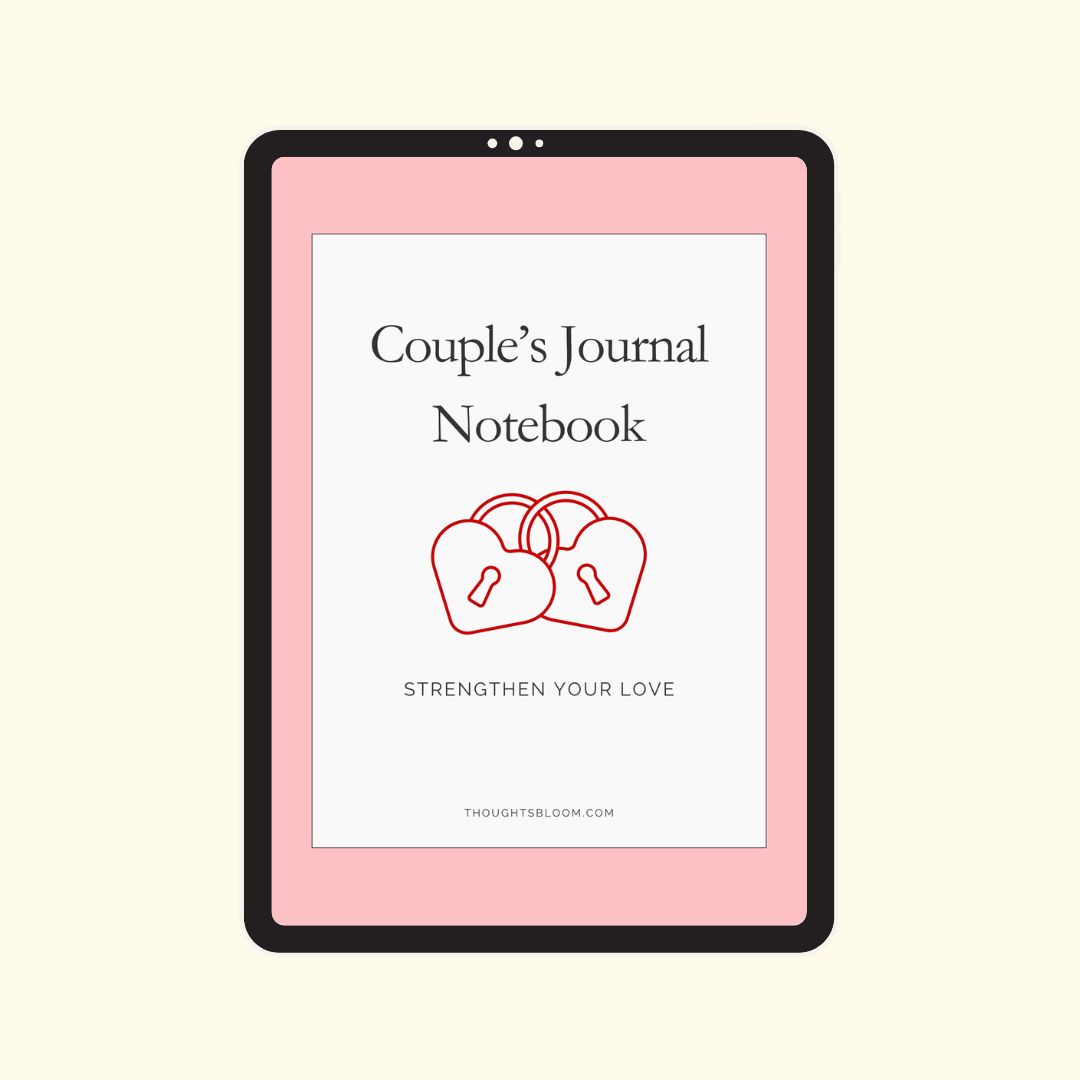
How Well Do You Really Know Each Other?
Find out with this free 100-question couple’s journal notebook designed to spark deeper conversations, uncover things you may not know about each other, and help you reconnect.
Talk About Holiday Expectations Early
Cuffing season relationships are often tested by the holidays. Are gifts expected? Will families meet? Who spends New Year’s Eve with whom? These conversations feel awkward for about ten minutes. Skipping them causes weeks of quiet resentment.
Keep the Spark From Settling Into Routine
Winter coziness can slide into autopilot. Send a flirty text in the middle of the day, plan a surprise date, and keep curiosity alive. Comfort is wonderful, but it works best alongside a little effort.
Name the Big Topics Before They Name Themselves
If things are getting serious, practical conversations matter. Finances are one of them, especially if moving in together is on the horizon.
And these financial questions to ask before moving in together help couples avoid avoidable arguments.
Plan Beyond Winter Together
This is the single most protective step. Ask: “Where does this go once spring arrives?”
Talking about summer trips, shared goals, or even small commitments months ahead shifts a relationship from seasonal to sustainable. A set of couple New Year’s resolutions can turn that conversation into a joint project instead of an interrogation.
What Happens After Cuffing Season?
As temperatures rise, couples usually land in one of three places.
The relationship deepens. The connection holds up in daylight, in ordinary weeks, and through real-life stress. That is the best-case outcome, and it is more common than cynics suggest.
The relationship fades. Sometimes the match was seasonal, and that is okay. Ending kindly, with clarity rather than ghosting, protects both people and keeps goodwill intact.
The relationship changes shape. Some couples discover they work better as friends. Others need distance to figure out what they want. Both are legitimate outcomes.
If the end of a cuffing season relationship stings, allow the feeling. Grief over something short is still grief. Journaling, leaning on friends, and avoiding an immediate rebound all help.
Distance, by the way, is not always the end. Couples who find themselves apart after winter can lean on these weekly habits for a healthy long-distance relationship.
What If You Want No Part of Cuffing Season?
This deserves its own space, because the culture around coupling up can feel loud.
Opting out is valid. Plenty of people feel perfectly content in winter, with a full social calendar, good friends, and a favorite chair. Being single during cuffing season is not a failure of timing or worth, and a partner is not a seasonal accessory.
If pressure is creeping in, try reframing: instead of asking “who will I be with this winter?” ask “what would make this winter feel good?” For some, the answer is a person. For others, it is a project, a trip, a better routine, or deeper friendships. All of it counts.
Cuffing Season FAQs
What does it mean to be cuffed? Being cuffed means being in a committed or exclusive relationship, often entered into during colder months.
How long does cuffing season last? Most sources place it between late September or October and February or March, with the strongest activity around the holidays and early January.
Do cuffing season relationships last? Some do, some do not. Relationships that began for seasonal reasons can still become lasting when both people are honest, compatible, and willing to keep choosing each other after winter.
How can someone tell if they are being cuffed for the season? Watch for a lack of future talk beyond the holidays, reluctance to include friends or family, and warmth that rises and falls with convenience.
Is cuffing season only for singles? No. Couples feel it too, through pressure to define the relationship, make holiday plans, or reconnect after a distracted summer.
What is uncuffing season? Uncuffing season is the spring period when many seasonal relationships either end or evolve as the weather warms.
Final Thoughts: Make Cuffing Season Work for You
Cuffing season is not a trap, and it is not a guarantee. It is a window, a stretch of months when people are unusually open to closeness.
Used with intention, that openness can lead to something wonderful. Used carelessly, it can lead to a spring heartbreak that could have been avoided.
The best approach is also the simplest: know what you want, say it plainly, notice how someone behaves rather than what they promise, and keep choosing a connection long after the novelty and the sweaters wear off.
Whether the season brings a new love, a deeper bond with an existing partner, or a surprisingly peaceful winter alone, the goal is the same: connection that is honest, warm, and built to last longer than the cold.