What to Bring to Thanksgiving Dinner When Meeting His Family
A little thoughtfulness can go a long way.
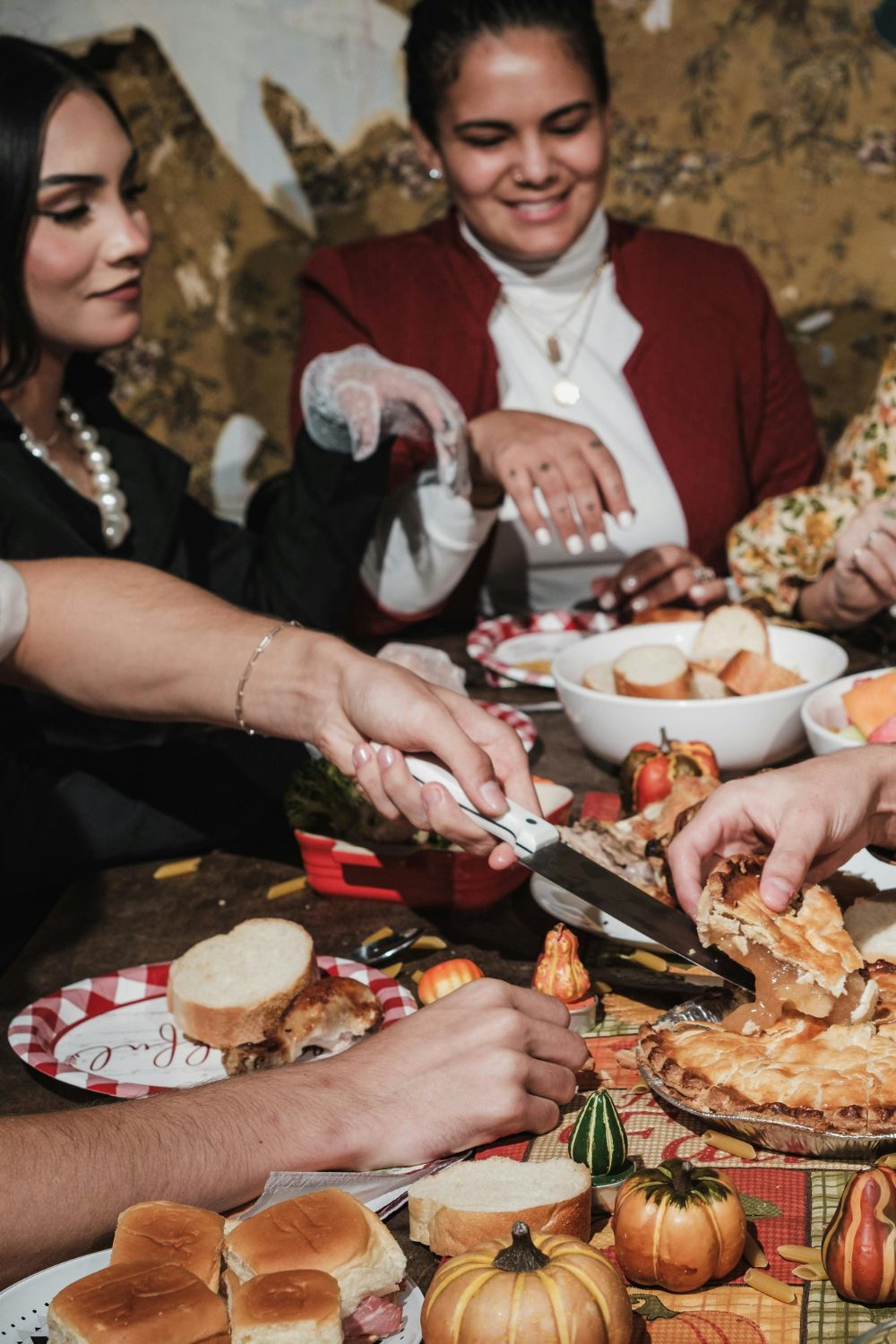
Meeting a partner’s family is stressful enough on an ordinary Tuesday. Adding a turkey, a table full of relatives, and a holiday with decades of unspoken tradition makes it feel like an exam you didn’t know you were taking.
Here is a more helpful way to look at it. Nobody expects a perfect guest. His family isn’t scoring the evening. They are quietly asking one simple question:
“Is this person easy to have around?“
That is the real goal of what you bring to Thanksgiving dinner. The point isn’t to impress anyone with an extravagant offering. It’s to show that you’re thoughtful, that you noticed how much work goes into the day, and that you came to add warmth, not chaos. Almost every idea below follows one guiding principle: make the host’s life easier, not harder.
Let’s get into the best Thanksgiving gift ideas and guest etiquette for meeting his family.

How Well Do You Really Know Each Other?
Find out with this free 100-question couple’s journal notebook designed to spark deeper conversations, uncover things you may not know about each other, and help you reconnect.
1. A Smile and a Good Attitude (The One Item That Matters Most)
It sounds like a throwaway line, but a good attitude may be the most valuable thing you carry through the door. Hosting Thanksgiving is a marathon of logistics: timing the turkey, juggling oven space, and managing relatives who haven’t spoken since 2019. A calm, friendly guest is a genuine relief.
A good attitude doesn’t mean performing nonstop cheerfulness. That can read as nervous or fake. It means being warm, curious, and easygoing. In practice, that looks like:
- Asking questions about the family instead of only answering them (“How did this recipe start in your family?” is a goldmine).
- Complimenting the food sincerely, including dishes you wouldn’t normally choose.
- Staying flexible when plans shift. Dinner will probably run late, and that’s normal.
- Letting small family quirks slide. Every family has its own rhythm, and you’re a visitor in it.
If an awkward moment happens (an overly personal question, a political tangent, a long-running family debate), a smile and a gentle subject change go a long way. You aren’t there to referee. You’re there to be pleasant.
2. Flowers in Their Own Vase
Flowers are a classic gift for a reason: they feel celebratory without being heavy. But there is a small detail that separates a thoughtful bouquet from an accidental burden.
Bring them already arranged in a vase.
Consider the host’s perspective. Getting dinner ready — and keeping Aunt Linda far from Aunt Karen — is a feat of extraordinary strength. A bouquet wrapped in paper means the host has to stop everything, hunt through cabinets for a vase, trim stems, and find a spot for them. A gift that creates a task isn’t entirely a gift.
A few easy tips:
- Choose a fall palette. Rust, burgundy, gold, and cream feel seasonal. A mini pumpkin tucked into the arrangement is a sweet touch.
- Keep it low and compact. Tall arrangements crowd a dinner table and block conversation. Small and cozy wins.
- Skip heavily scented blooms. Strong lilies can overpower a table full of food, and some guests have allergies.
If an arranged vase isn’t available, a small potted plant or a pretty mason jar of flowers works just as well.
3. Wine
A bottle of wine is one of the most reliable Thanksgiving gift ideas. It’s easy, it’s expected, and it shows you came prepared. A few thoughts can elevate it from “generic” to “well chosen.”
Don’t expect your bottle to be served that night. The host may already have a wine plan, so present it as a gift to enjoy later: “This is for you to open whenever you like.” That removes any pressure and avoids the awkwardness of a bottle that doesn’t match the menu.
Choose crowd-pleasers. Thanksgiving food is a delicious mix of flavors (savory, sweet, tart, creamy), so versatile wines tend to work best. Light reds such as Pinot Noir are a popular choice, as are crisp whites such as Riesling or Sauvignon Blanc. A sparkling wine is festive and pairs with nearly everything.
Ask your partner first. A quick text (“Does your family drink wine? Any preferences?”) saves a lot of guesswork. In some families wine is a staple; in others, it’s rare or avoided altogether, which leads neatly to the next idea.
Spend what feels comfortable. A mid-range bottle in the $15 to $25 range reads as thoughtful. Nobody is checking the price tag, and the gesture matters more than the label.
4. Nonalcoholic Beverages for Everyone
Here is a gift idea that quietly earns big points: bring something delicious that everyone can drink.
At a large family gathering, there are often guests who don’t drink for all kinds of reasons: kids, drivers, pregnant relatives, people in recovery, people who simply prefer not to. Too often, those guests are stuck with tap water or a lonely can of soda while everyone else toasts with something special.
Bringing a thoughtful nonalcoholic option shows you notice the whole table. Ideas include:
- Sparkling apple cider in a festive bottle, which feels like champagne without the alcohol.
- A mocktail kit, such as cranberry juice, ginger beer, and a few rosemary sprigs for garnish.
- Spiced cider or a seasonal herbal tea blend the host can heat up.
- Quality sparkling water in fun flavors.
This is also a sneaky relationship-expert tip: it signals empathy and inclusivity, two qualities families quietly value in a partner.

5. An Appetizer for Everyone to Munch On
Thanksgiving dinner is often the main event, but the hours before dinner are long and hungry. Relatives arrive early, the turkey needs time, and everyone circles the kitchen. A shareable appetizer can be a real lifesaver.
A baked brie with biscuits is a perfect example. It’s warm, impressive, and fits the cozy mood. Other easy crowd-pleasers include:
- A seasonal cheese and cracker board with grapes, nuts, and dried fruit
- Spinach and artichoke dip with sliced baguette
- Deviled eggs
- Pigs in a blanket (never underestimate their popularity)
Always check in first. Before bringing food, ask the host, politely, if an appetizer would be welcome. Some hosts have a carefully planned menu, and surprise dishes can complicate things. If the answer is yes, ask about oven and fridge space, because those are the most precious resources in a Thanksgiving kitchen.
To make your contribution as painless as possible:
- Bring it ready to serve or needing only a quick reheat.
- Pack it in a dish you don’t need back.
- Bring your own serving utensils and any garnishes.
- Avoid anything that requires the oven during turkey time.
6. A Game for the Family to Play After Dinner
After the meal, there is a familiar slump. Everyone is full, a football game flickers in the background, and conversation can fade into awkward gaps. A game can turn that slump into the best part of the day.
For a first meeting, a game is also a clever icebreaker. It gives everyone something to laugh about together, and it lets you connect with his family through play instead of formal conversation.
Choose games that are easy to learn and suit mixed ages:
- Codenames (word-based and team-friendly)
- Telestrations (a hilarious drawing version of “telephone”)
- Heads Up! or charades-style games
- Uno or a classic deck of cards
- Jenga or other simple stacking games
Offer the game lightly: “I brought something fun in case anyone wants to play later.” Don’t force it. If the family is already deep in a tradition (a football watch, a puzzle, or a nap), simply leave the game in its box and try again another time. Reading the room is a skill, and families notice it.
Another option is a hot seat questions game, where one person answers questions from the group. Pick clean questions and let the family choose who goes first. For a playful twist, Never Have I Ever questions can be adapted into a family-friendly round. Stick to the lighter prompts (travel mishaps, kitchen disasters, embarrassing school moments) and skip anything spicy, since grandparents will be listening.
7. A Nice Fall Playlist for Everyone to Enjoy
Music shapes the mood of a gathering more than most people realize. The right soundtrack makes a house feel warm and lively, while silence (or the wrong song) can make it feel stiff.
Offering to put together a fall playlist is a low-cost, high-charm idea. Share the link with the host in advance or have it ready on your phone, and let them decide whether to use it.
A few guidelines:
- Keep it gentle and background-friendly. Acoustic folk, soft jazz, instrumental piano, and mellow indie work well. Music should support conversation, not compete with it.
- Avoid anything edgy. Skip explicit lyrics or anything that might raise an eyebrow with grandparents.
- Think cozy, not cheesy. Fall-themed does not have to mean novelty songs.
- Ask before playing. Some hosts have their own plan, and that’s fine. Offer, and let it go if they decline.
8. Some Elbow Grease: Clear the Table and Do the Dishes
Of all the items on this list, this one may be the most appreciated, and it costs nothing.
After a big meal, the host often faces a mountain of plates, pots, and leftover containers while everyone else relaxes. Stepping in to help sends a clear message: I see the work you did, and I want to share it.
Here is how to offer help gracefully:
- Start by clearing the table, without being asked.
- Say, “Can I help with the dishes?” Then mean it, and don’t take the first polite “No, no, sit down!” as final. Gently try again: “I’d really like to.”
- Ask where things go before putting anything away. Every kitchen has its own system, and rearranging someone’s cabinets uninvited can backfire.
- Wash, dry, or wrap leftovers, whichever is needed.
Kitchen time has a hidden bonus, too. Working side by side with his mom, sister, or aunt creates natural, relaxed conversation that formal dinner-table small talk rarely offers. Some of the best bonding between a new partner and the family happens over a sink of soapy water.
What to Skip as a Thanksgiving Guest
A few things can accidentally cause stress for a host:
- Strongly scented candles. They compete with the aroma of the food.
- A surprise dish that clashes with the menu. Always ask first.
- Dessert that rivals the host’s pies. If dessert is already planned, skip it.
- Showing up with an unplanned plus-one, such as a friend or a pet, without checking.
- Anything that needs assembly, cooking, or explanation on the spot.
A Few Final Tips for Meeting His Family
Beyond the gifts, a little preparation makes the day smoother:
Get a quick briefing from your partner. Ask about family names, ages, and any topics to avoid.
Agree on a signal. A simple word or glance that means “I need a breather” can be a lifesaver.
Arrive on time. Early can interrupt last-minute cooking, and late can derail dinner.
Send a thank-you afterward. A short text or handwritten note to the host the next day is a small gesture that families remember.
And for couples where this Thanksgiving feels like a step toward something bigger, these 55 questions to ask before marriage are worth a conversation once the dishes are done.
How Well Do You Really Know Each Other?
Find out with this free 100-question couple’s journal notebook designed to spark deeper conversations, uncover things you may not know about each other, and help you reconnect.
The Wrap-Up: What to Bring to Thanksgiving Dinner
The best things to bring to Thanksgiving dinner as a guest are the ones that quietly say, “I’m glad to be here, and I want to help.”
A smile, flowers that arrive in a vase, a bottle of wine, drinks for everyone, a shareable appetizer, a game, a playlist, and a willingness to wash a few dishes add up to something bigger than any single gift: a first impression of someone kind, aware, and easy to love.
His family doesn’t need perfection. They need warmth. Bring that, and the rest tends to fall into place.