How Much Does Couples Therapy Cost (And Is It Actually Worth It)?
The price of therapy may be easier to measure than its value.
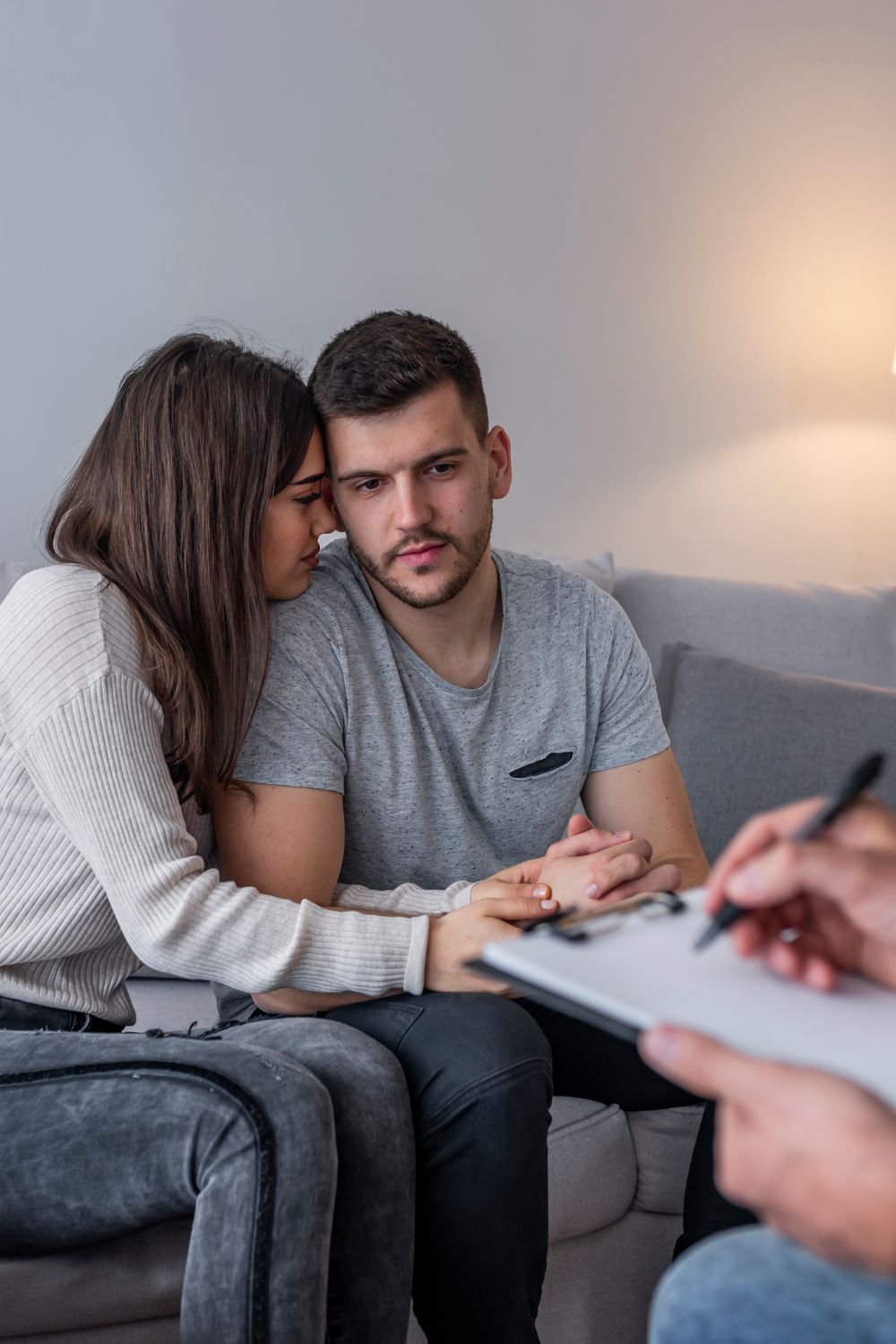
There’s a moment many couples reach where therapy starts feeling less like an option and more like a necessity.
And almost immediately after that realization comes a second, more practical question:
How much does couples therapy cost, and is it worth the money?
It’s a fair question and an important one. Therapy is an investment of both time and money, and for couples already navigating financial stress on top of relationship stress, the price tag can feel like one more obstacle standing between them and the professional help they need.
This post breaks down what couples therapy costs, what drives that price up or down, and — perhaps more importantly — whether the investment tends to pay off in the ways that matter most.
What Couples Therapy Costs
Pricing for couples therapy varies widely depending on location, therapist experience, and format, but a few general ranges hold true across most of the United States.
1. Private-pay, in-person sessions with a licensed therapist typically run somewhere between $100 and $300 per session, with many therapists charging around $150 to $200 for a standard 50-minute session.
In larger cities or with highly specialized therapists — particularly those trained in specific evidence-based approaches — per-session costs can climb toward $300 or more, with some in-demand specialists charging upward of $350 for a single session.
2. Sliding-scale and community-based options exist for couples who can’t absorb those costs. Nonprofit therapy networks and training clinics — often staffed by supervised graduate-level therapists — frequently offer sessions in the $40 to $80 range, sometimes lower depending on income and location.
These options usually involve a shorter wait for openings than fully licensed private practices, but the quality of care, especially under close supervision, is often still very solid.
3. Online couples therapy platforms have become a popular middle ground, generally landing somewhere between traditional private-pay rates and sliding-scale community options.
Subscription-based platforms often bundle messaging access with live video sessions for a flat monthly fee, which can make budgeting more predictable, though the total cost over several months sometimes ends up comparable to traditional per-session pricing.
4. Intensive or retreat-style therapy sits at the high end of the spectrum. These condensed programs — sometimes a full day or a full weekend — can run into the thousands of dollars but compress months of weekly sessions into a much shorter timeframe, which appeals to couples in crisis or those with limited ongoing availability.
Why the Price Varies So Much
A few factors reliably drive cost up or down, and understanding them can help set realistic expectations before starting the search.
Location matters enormously. Therapists in major metropolitan areas with higher costs of living typically charge more than therapists in smaller towns or rural areas, sometimes by a significant margin.
Credentials and specialization affect price. A therapist trained in a specific, research-backed approach — such as Emotionally Focused Therapy or the Gottman Method — often charges more than a general practice therapist, partly because of the additional certification involved and partly because of demand.
Specialized training in areas like affair recovery or trauma-informed couples work tends to carry a premium as well.
Session length and format shift the total cost. Standard sessions run around 45 to 60 minutes, but some therapists offer extended 90-minute sessions for couples work, which cost more per session but may accomplish more per visit, effectively changing the total number of sessions needed.
Insurance coverage is inconsistent at best. This is one of the more frustrating realities of couples therapy. Many insurance plans don’t cover it at all, because insurance typically requires a diagnosable mental health condition tied to an individual, and “relationship distress” alone often doesn’t qualify under most plans.
Some couples get around this by seeing a therapist who bills one partner individually for a qualifying condition, but that approach comes with its own ethical and practical complications and isn’t appropriate for every situation.
It’s worth calling an insurance provider directly to ask about coverage for couples or family therapy codes before assuming coverage does or doesn’t exist.
Is Couples Therapy Worth the Cost?
This is really the heart of the matter, and for most couples who are genuinely willing to do the work, YES. Couples therapy tends to be worth the investment, though “worth it” looks different depending on what a couple actually needs from it.
Here’s the more nuanced version of that answer.
It’s worth it when both partners are actually invested.
Therapy isn’t a magic fix administered by a professional while both partners passively receive it. It works best as a structured space for two people who are already willing to do the harder work of listening, taking accountability, and changing patterns.
It simply gives that work a framework and an experienced guide. Couples who show up expecting the therapist alone to save the relationship, without bringing real effort themselves, tend to get far less value for the money spent.
It’s worth it as prevention, not just crisis intervention.
One of the most persistent myths about couples therapy is that it’s only for relationships on the brink of ending.
In reality, some of the best return on investment comes from couples who start therapy during a manageable rough patch, rather than waiting until resentment has had years to build.
A handful of sessions addressing a recurring communication pattern early on is almost always cheaper — financially and emotionally — than years of nasty conflict that eventually requires much more intensive repair.
It’s worth it compared to the alternative costs of staying stuck.
It helps to weigh the cost of therapy against the cost of not addressing a struggling relationship.
Chronic relationship stress has real, well-documented effects on physical health, work performance, and overall quality of life — and for couples who do eventually separate, the financial and emotional cost of divorce dramatically outweighs even the most expensive therapy program.
Framed that way, even premium-priced therapy often looks like a reasonable investment rather than an indulgence.
It’s NOT automatically worth it with the wrong therapist.
Fit matters enormously in couples therapy, arguably more than in individual therapy, because both partners need to feel the therapist is fair, skilled, and genuinely helpful rather than favoring one side.
A mismatched therapist — regardless of price — can leave both partners feeling unheard and can occasionally do more harm than good. Treat the first session or two as a trial run and be willing to switch therapists if the fit doesn’t feel right, rather than continuing out of a sense of financial obligation.
Getting the Most Value Out of Couples Therapy (Regardless of Budget)
For couples working with a limited budget, a few strategies tend to stretch the value of couples therapy considerably.
Community mental health centers and university training clinics often provide excellent care at a fraction of private-practice rates, since therapists in training are closely supervised by experienced clinicians.
Many private-practice therapists also reserve a small number of sliding-scale spots specifically for couples who can’t afford full price. It’s worth simply asking, since these openings aren’t always advertised.
Doing some of the foundational work outside of session (e.g., reading a well-regarded relationship book together, practicing active listening exercises at home, or simply having weekly check-ins) can also reduce the total number of paid sessions needed to make real progress, since less session time gets spent covering material that could be reinforced independently.

How Well Do You Really Know Each Other?
Find out with this free 100-question couple’s journal notebook designed to spark deeper conversations, uncover things you may not know about each other, and help you reconnect.
The Wrap-Up: How Much Does Couples Therapy Cost?
Couples therapy costs anywhere from $40 to $350 per session depending on format, location, and therapist experience, with most private-pay sessions landing somewhere in the $100 to $200 range.
Whether that cost is worth it comes down less to the price tag itself and more to what both partners bring into the room. For couples genuinely willing to engage honestly and do the harder work between sessions, the investment tends to pay for itself many times over — not just in the relationship saved, but in the years of stress, distance, or eventual separation it can help prevent. For couples looking for a therapist to fix things without any effort of their own, no price point delivers that outcome.
The cost, in the end, isn’t really the biggest variable. The willingness to show up fully is.