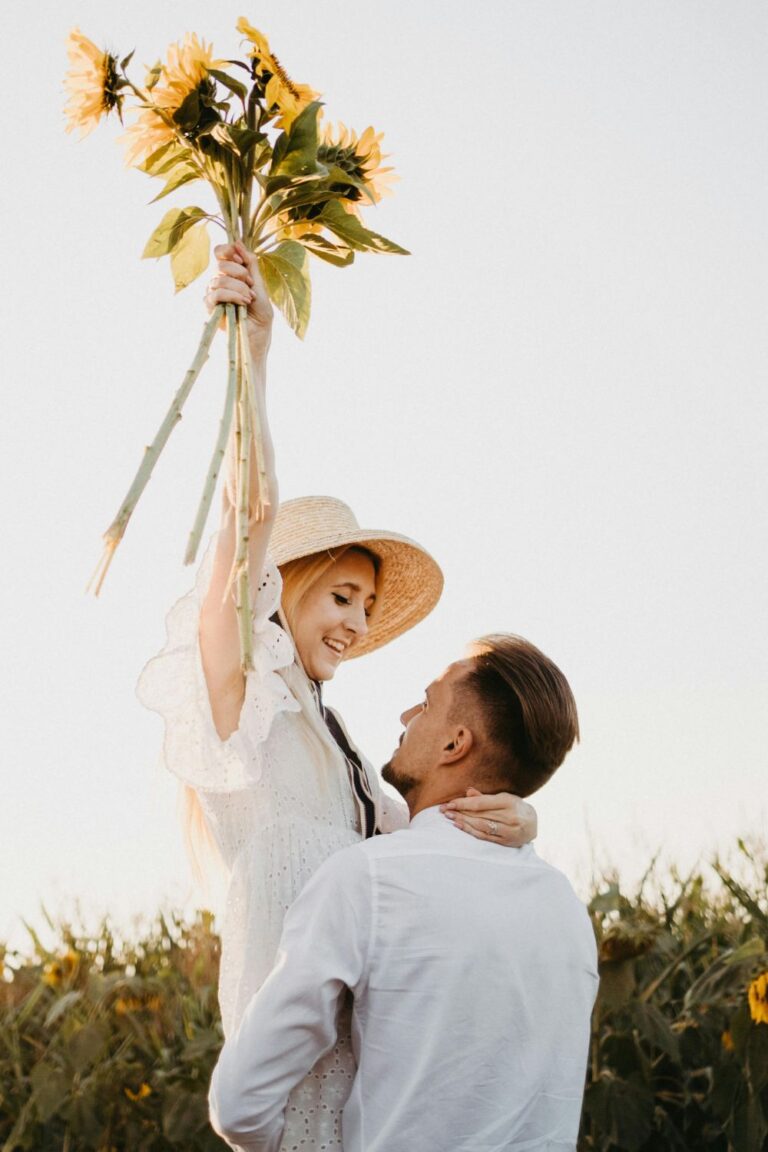
14 Creative Small Wedding Ideas for Your Special Day
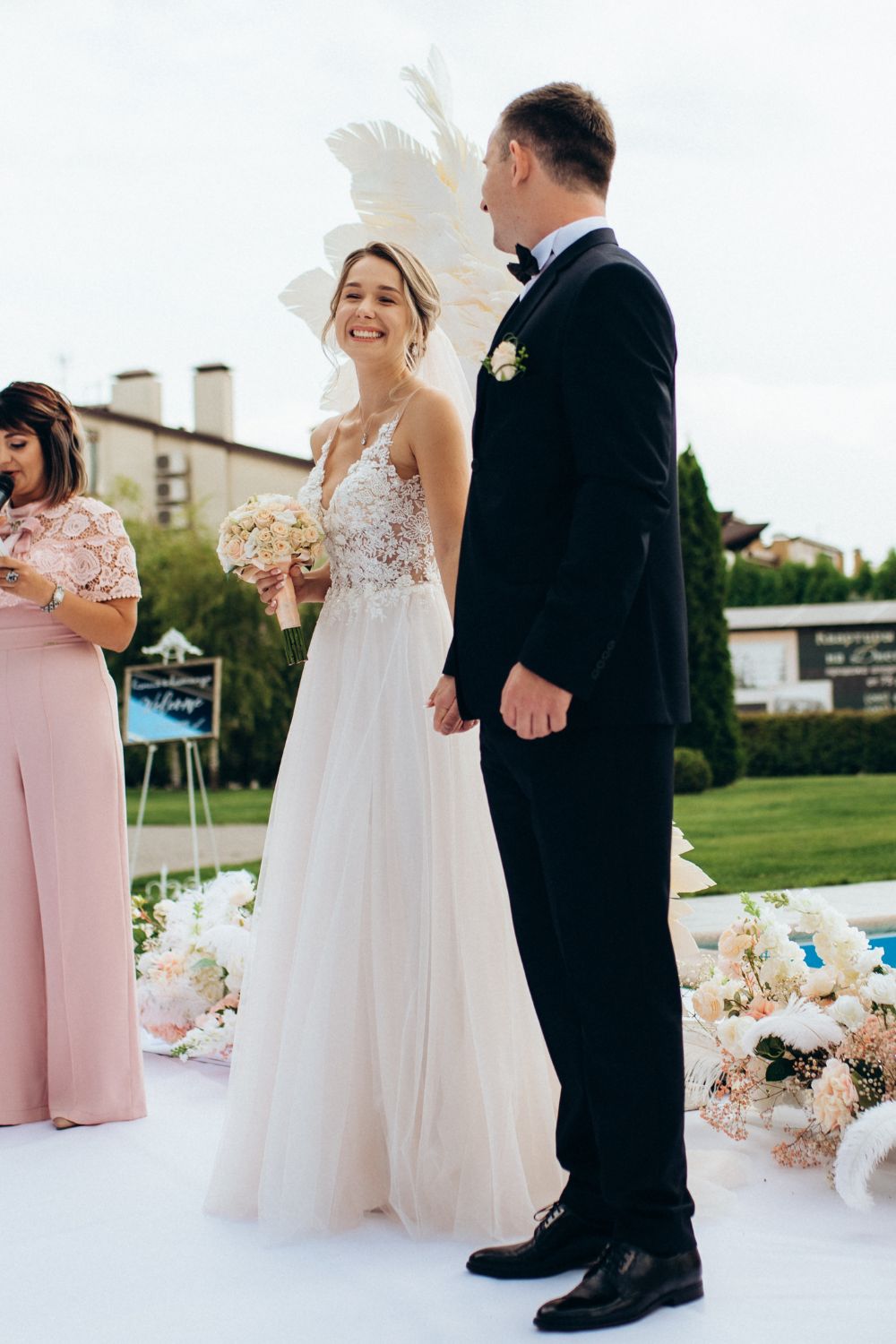
Weddings are changing, and not in the direction most people expected a decade ago.
For years, “bigger” was treated as a proxy for “better.” More guests, more courses, more sequins on the dance floor.
But a quieter, more deliberate kind of wedding has been gaining ground — small wedding ideas — and it isn’t a downgrade.
It’s a redirection of energy toward what actually makes a wedding day feel meaningful: presence, connection, and the people who matter most standing close enough to notice every detail.
That’s the heart of small weddings — not less love, less celebration, or less style, just less noise. Couples are discovering that when the guest list shrinks, the emotional volume of the day often gets louder. Vows feel more personal. A toast lands differently when it’s delivered by someone who’s known the couple for twenty years, not a distant cousin filling airtime.
This guide walks through the full landscape of small wedding ideas and what goes into planning them.
Why Couples Are Choosing Small Weddings
There’s a practical layer to this shift and an emotional one, and both deserve attention.
Practically, smaller weddings tend to come with fewer moving parts — fewer vendors to coordinate, fewer seating charts to negotiate, fewer logistics that eat into the actual experience of getting married.
The average cost of a wedding is enormous. So, smaller wedding ideas are the perfect way for couples to get value for their money, whether they are on a budget or want something luxurious but with only their closest people.
When managing a smaller wedding, the stress doesn’t disappear entirely, but there’s simply less surface area for something to go sideways when fifty people are involved instead of two hundred and fifty.
Emotionally, something more interesting is happening. A large wedding often turns the couple into hosts and performers, managing a room, working a receiving line, making sure a delayed flight doesn’t derail the seating chart.
A small wedding allows the couple to actually be at their own wedding — present in the vows, present in the reactions on people’s faces, present in a way that’s hard to access when managing a small production.
This is also, increasingly, a values statement rather than a compromise. Because weddings should be connection over spectacle and depth over breadth.
That reframing tends to relieve a surprising amount of guilt for couples who feel pressure from family or tradition to go bigger.
Unique Small Wedding Ideas for Couples
A smaller guest list is a genuine creative advantage.
Venues, formats, and experiences that could never accommodate two hundred people suddenly open up when the number drops to thirty, fifteen, or even two.
Below is a wide range of unique small wedding ideas you can choose from to find the perfect format that fits your relationship.
1. Home and Backyard Weddings
A home or backyard wedding takes place somewhere personal — a childhood house or a family property — rather than a rented venue.
The appeal here is sentimental as much as practical: getting married under a tree that’s been climbed since childhood, or in the yard where holidays have happened for decades, adds a layer of meaning no ballroom can replicate.
Backyard small wedding ideas also tend to be some of the most flexible and personalizable on this list, since there’s no venue coordinator dictating what can and can’t be done with the space.
2. Above-the-Clouds Weddings
An above-the-clouds wedding takes the ceremony somewhere with real elevation — a mountaintop, a hot air balloon, a scenic overlook, or even a private plane.
These are inherently small by necessity; most of these settings simply can’t hold a large guest list, which makes the exclusivity part of the romance rather than a limitation.
For couples who want the day to feel genuinely once-in-a-lifetime, this is one of the more dramatic small wedding ideas available, though it does require extra planning around weather, permits, and guest mobility.
3. Elopements
An elopement is the most pared-down version of a wedding. It’s just the couple, sometimes an officiant, and occasionally a photographer to document the moment.
What elopements offer that almost nothing else can is total freedom — no guest list negotiations, no timeline to manage, no one else’s expectations to account for.
Many couples now pair an elopement with a small gathering afterward, getting the privacy of the ceremony itself while still sharing the celebration with a close circle later.
4. Bookstore Weddings
A bookstore wedding — held in an independent bookshop after hours — is one of the more unexpected but increasingly popular formats, especially for literary-minded couples.
The shelves themselves become the decor, and the setting naturally lends itself to a smaller, cozier guest count.
5. Park Weddings
A park wedding uses public or reservable green space — a botanical corner of a city park, a lakeside clearing, a garden pavilion — as the ceremony and sometimes reception setting.
These tend to be some of the most budget-friendly unique small wedding ideas on this list, since permit fees are usually a fraction of private venue rental costs, while still delivering a naturally beautiful backdrop.
The trade-off is less control over the space and a firmer need for a weather backup plan.
6. Restaurant Buyouts
A restaurant buyout means closing out a favorite restaurant, or a private room within one, exclusively for the wedding party and guests.
This idea works particularly well for couples who already associate a specific restaurant with their relationship — a first date spot, an anniversary tradition — and it solves catering and ambiance in one move, since the restaurant’s existing kitchen and atmosphere do most of the design work automatically.
7. Botanical Garden Weddings
A botanical garden wedding takes advantage of a space that’s already been designed to be beautiful year-round.
Built-in floral backdrops mean less needs to be spent on additional decor, and many gardens offer smaller event spaces specifically suited to intimate guest counts rather than the large lawns typically rented out for bigger affairs.
8. Rooftop Weddings
A rooftop wedding trades garden greenery for skyline views, often in a city setting.
These tend to suit couples who want a modern, editorial feel to their day, and the built-in view does a lot of visual heavy lifting, reducing the need for elaborate floral or lighting design.
9. Destination Weddings
A destination wedding takes place somewhere away from home — a coastal town, a family’s country of origin, a favorite vacation spot — and it naturally limits the guest list simply because not everyone can make the trip.
That built-in filter tends to produce a group made up of the people who are genuinely invested in being there, which often makes destination weddings feel more intimate than their location might suggest.
This small wedding idea also doubles as a shared trip, giving guests something more memorable than a single evening.

10. Vineyard Weddings
A vineyard wedding offers rolling, scenic backdrops along with built-in catering and beverage options, since many vineyards host events regularly and have the infrastructure already in place.
This small wedding format tends to suit couples looking for a celebration that feels elevated without requiring an enormous production.
11. Brunch Weddings
A brunch wedding moves the entire event earlier in the day, trading an evening reception for a late-morning or early-afternoon celebration.
This tends to feel inherently lower-key and more intimate. There’s less pressure for a formal dance floor or elaborate evening program.
Also, it’s often significantly less expensive, since brunch catering and daytime venue rates both tend to run lower than their evening counterparts.
12. Sunset Weddings
A sunset wedding times the ceremony to coincide with golden hour, often on a beach, overlook, or open field.
The lighting does most of the atmospheric work here, which can reduce the need for additional design elements, and the natural drama of the moment tends to leave a lasting impression on guests without requiring a large production to back it up.
13. Potluck-Style Receptions
A potluck-style reception invites close friends and family to contribute a dish, often one tied to a specific memory or tradition connected to the couple.
This turns the meal into a form of storytelling and significantly reduces catering costs, while also giving guests a way to participate in the day beyond simply attending it.
14. Interactive Guest Experiences
Rather than a single fixed format, this idea focuses on how time is spent during the reception itself — a live painter capturing the ceremony in real time, a small tarot or fortune-telling station for fun, a build-your-own dessert or cocktail bar.
These work especially well at a smaller scale, where guests actually have the time and space to enjoy them rather than rushing past on the way to the next thing.
How to Plan Small Wedding Ideas
Once a format feels right, the planning itself tends to follow a different rhythm than a traditional large wedding.
Start with the guest list philosophy, not the venue
Rather than asking, “Who might be offended if they’re not invited?” a more useful question is this:
“Who would you notice if they weren’t there?”
Think about the people in your life whose presence changes the energy in the room for the better or whose presence matters most to you.
That distinction filters out obligation invites and protects the emotional core of the day. It’s uncomfortable at first, but it gets easier with practice, and it tends to produce a guest list that feels chosen rather than default.
Then build the budget around experience, not headcount
In a large wedding, the budget gets swallowed by per-head costs — catering, rentals, favors multiplied across hundreds of people.
With small wedding ideas on a budget, that same money can be redirected toward things that matter most to you. It could be exquisite cuisine, tasty pasties and signature cocktails, your dream photographer, or a venue with real character.
DIY touches also work especially well at this scale and tend to read as personal rather than cheap. For example, hand-tied bouquets from a local flower market, a curated playlist instead of a hired DJ, handwritten place cards, and favors tied to an inside joke or shared memory.
Timing is one of the most underused planning levers
A Friday evening or Sunday afternoon wedding, or a celebration during the off-season, can meaningfully reduce venue and vendor costs. It also tends to reinforce the intimacy of the day, since there’s less competing with other events on the calendar.
Design for closeness, not just for smaller numbers
A single long table instead of scattered round tables encourages conversation to flow across the whole group rather than fragmenting into cliques. E.g, circle seating or S-shaped arrangement.
Skipping rigid formalities — assigned seating, a formal receiving line, a strict timeline of toasts — creates more natural moments of connection between courses and during transitions.
Rituals can be recalibrated for scale, too: a unity ceremony that involves guests directly or vows read privately before facing the full group take on more weight when there isn’t a large audience to perform for. These are the details that separate genuinely intimate small wedding ideas from weddings that are simply smaller in headcount but identical in structure to a large affair.
Related: 25 Best Examples of Wedding Vows to Inspire Couples
Intimacy isn’t about a guest count. It’s a design choice.
Splurge on what matters to you — photography, the meal, the vows — and economize on what won’t be missed, like elaborate stationery.
Planning Small Weddings at Home
Home and backyard weddings deserve a closer look, since they come with their own specific planning considerations beyond the general guidance above.
There’s something quietly powerful about getting married in a space that already holds meaning — a childhood backyard, a family home, a garden that’s seen decades of holidays and Sunday dinners.
Small wedding ideas at home tap into a kind of sentimentality that no rented venue, however beautiful, can fully replicate.
Practically speaking, home weddings take some extra planning, but nothing insurmountable:
Setup essentials: Tenting for weather protection, adequate seating, string lighting or lanterns for ambiance after dark, and a sound system for vows and music that can get lost outdoors without amplification.
Logistics: Local permits if a large tent or amplified sound is involved. A heads-up to neighbors if noise or parking will be affected. A realistic backup plan for weather — not just hoping it doesn’t rain, but an actual indoor alternative.
Flow: Mapping out where the ceremony happens versus the reception so guests aren’t stepping over each other rearranging chairs mid-celebration.
Space limitations: Backyard small wedding ideas often benefit from a hard guest cap decided early, since it’s easy to underestimate how much space a tent, dance floor, and seating actually require on a residential property.
What makes home weddings worth the extra planning is the emotional register they hit.
There’s less performance involved. Guests tend to relax faster in a home setting, and that relaxed energy has a way of setting the tone for the entire day. For couples drawn to this format, the deciding factor is rarely cost. It’s warmth.
Common Hurdles Around Small Weddings
Even couples who are fully convinced a small wedding is right for them often run into the same emotional snags.
Guilt over exclusion tends to be the biggest one. It helps to remember that no guest list — small or enormous — will ever satisfy everyone’s expectations. A boundary that protects the emotional integrity of the day is not a personal failing; it’s a form of self-respect.
Family pressure to “go bigger” is another common hurdle, often rooted in tradition, expectation, or a parent’s own unfulfilled wedding dreams. Naming that dynamic directly and addressing how much intimacy matters to you works better than avoidance.
Feeling like a small wedding needs to be justified is a subtler hurdle, but a common one. A small wedding isn’t a lesser version of “the real thing.” It’s a different, equally legitimate tradition, and it deserves to be treated as a decision rather than a compromise that needs defending.
Managing outside opinions on the chosen format can also come up, especially with more unconventional ideas like elopements or above-the-clouds ceremonies. Don’t try to convince outsiders. Remember it’s your wedding after all.
The Wrap-Up: Small Wedding Ideas for Couples
Small weddings aren’t about doing less. They’re about choosing what matters most and giving it room to breathe — fewer distractions, more presence, and a day that reflects an actual relationship rather than a checklist of expectations.
Whether the vision involves a backyard under string lights, a mountaintop above the clouds, a quiet elopement, or a long table full of the fifteen people who matter most, trust that vision and let the rest fall into place around it.
How Well Do You Really Know Each Other?
Find out with this free 100-question couple’s journal notebook designed to spark deeper conversations, uncover things you may not know about each other, and help you reconnect.